


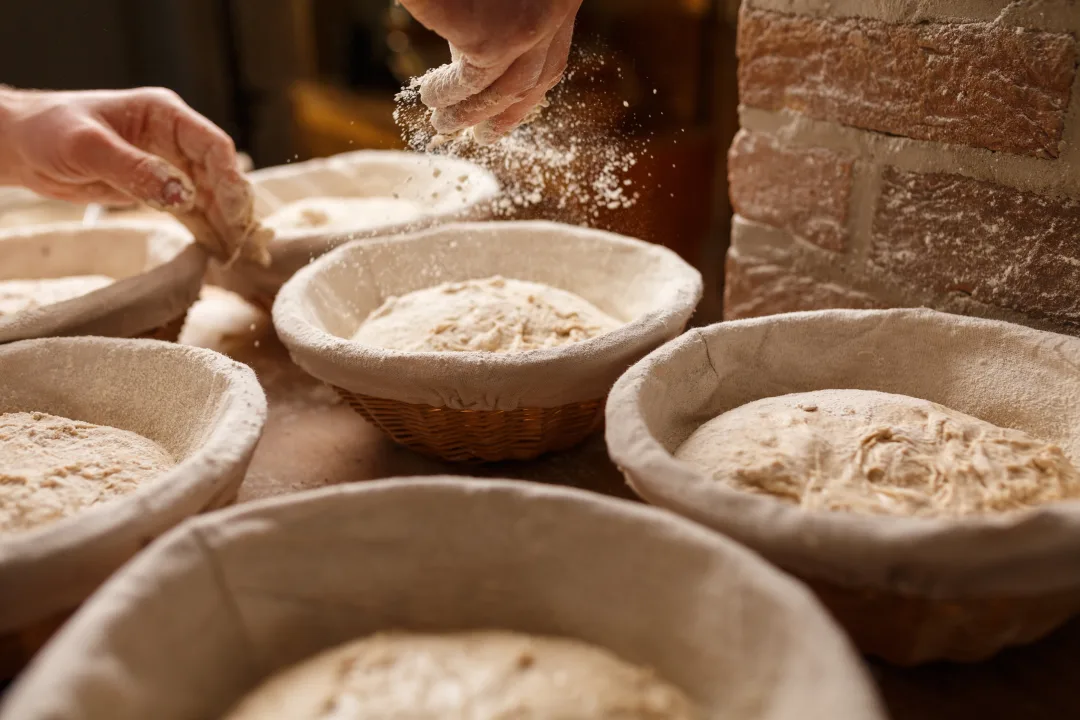

Low-carb bread behaves differently from classic wheat bread: it usually contains less starch and more seeds, protein sources and fibre. That is exactly why dryness, a crumbly crumb or poor storage can become more noticeable. The good news: with a few simple adjustments, your protein bread can become much moister, more stable and easier to enjoy every day.
Why low-carb bread can feel dry or crumbly faster
Low-carb baking is not the same as classic bread baking
Classic bread relies on flour starch and gluten. A low-carb bread, protein bread or bread without flour often uses almond flour, flaxseed, sunflower seeds, psyllium husk, protein or other fibre-rich ingredients instead. These ingredients bind water differently and often need more resting time.
If the balance of liquid, binding, baking time and storage is not right, the result can quickly become dry, crumbly or dense. That does not mean low-carb baking does not work; it usually points to one small technical cause.
Let the dough rest briefly after mixing and slice the bread only once it has cooled completely. Both improve moisture distribution and make the crumb more stable.
Mistake 1: The low-carb bread turns out dry
Dryness is often caused by baking too long, using too little liquid or working with ingredients that continue to swell. Seeds, coconut flour and psyllium husk in particular can bind water very strongly. If the dough is baked straight away without enough time to hydrate, the finished bread may feel dry later.
- Let the dough rest for 10 to 15 minutes before it goes into the oven.
- If the dough is very firm, add water or yoghurt one tablespoon at a time.
- Do not bake the bread too dark; near the end, use core temperature or a skewer test.
- Let the bread cool completely after baking so the moisture can settle.
Low-carb bread should not be packed airtight while it is still warm. Condensation can soften the crust and reduce storage quality.
Mistake 2: The crumb falls apart when sliced
A crumbly crumb usually means there is not enough binding or the bread was sliced too early. Bread without flour often needs a different structure builder than classic bread. Psyllium husk, flaxseed, eggs, quark or well-balanced low-carb flour blends can help retain water and make the slices more stable.
The knife also matters: a sharp bread knife with calm sawing movements crushes the crumb less than a blunt knife.
-
1Check the binding
If the crumb breaks, the dough often needs more resting time or a better-balanced mix of protein, fibre and moisture. -
2Let it cool
Slice protein bread only once it has cooled completely. When warm, it often seems less stable than it will be later. -
3Freeze slices
If you will not eat the whole loaf right away, freeze individual slices. The texture usually stays better than with long storage in a bread box.
Mistake 3: The inside is sticky or rubbery
Sticky areas often appear when highly water-binding ingredients are not baked through completely or when the bread is sliced too quickly. From the outside, a low-carb bread may already look done while the centre still needs time to settle.
A moderate oven temperature, enough baking time and a resting phase after baking are helpful. With tin loaves, it can also help to remove the bread from the tin near the end and bake it for a few more minutes without the tin.
Low-carb bread gets better when you give it time: first for the dough to hydrate, then for the bread to cool.
Mistake 4: Storage makes the bread go stale quickly
Low-carb bread often contains more sensitive ingredients than classic bread. That makes storage important. Too much air dries it out, while too much moisture softens it and can reduce storage quality.
If you want to enjoy low carb easily in everyday life, ready-made Locawo breads, rolls and baking mixes can help. Products based on Locawo all-purpose flour in particular are designed for lasting moisture and a truly soft texture, without you having to fine-tune binding and dough hydration yourself.
If you bake it yourself: plan more reliably
With low-carb baking mixes, try to follow the stated liquid amount and resting time closely. Small changes can have a big effect because low-carb ingredients react more strongly than regular flour. If you adjust a recipe, change only one factor at a time: liquid, baking time or binding.
For especially soft bread, blends that combine flour alternatives, fibres and protein sources in a balanced way are useful. This makes the result more predictable and reduces common mistakes such as dryness, crumbling or a heavy centre.
Frequently asked questions about low-carb bread
Why does my low-carb bread become drier than regular bread?
Low-carb bread usually contains less starch and often more fibre, seeds or protein. These ingredients bind water differently. Enough resting time, the right liquid amount and not baking too long help.
What helps against crumbly protein bread?
More binding, more resting time and complete cooling. Psyllium husk, flaxseed, egg, quark or a well-balanced low-carb flour blend often help.
Is bread without flour automatically low carb?
Not always. Bread without classic wheat flour can still contain carbohydrate-rich ingredients. The nutrition values and the ingredients used are what matter.
What is the best way to store low-carb bread?
For the short term, store it cool, dry and not completely airtight. For longer storage, it is best to freeze it in slices and toast or warm up what you need.
Why are baking mixes often easier?
In baking mixes, flour alternatives, protein sources, fibres and binding are already balanced. This reduces common mistakes and makes the result more consistent.
Low-carb bread works better when liquid, resting time, binding, baking time and storage work together. If you want less experimenting, well-balanced breads, rolls or baking mixes can help you avoid the most common everyday mistakes.


Comments
0